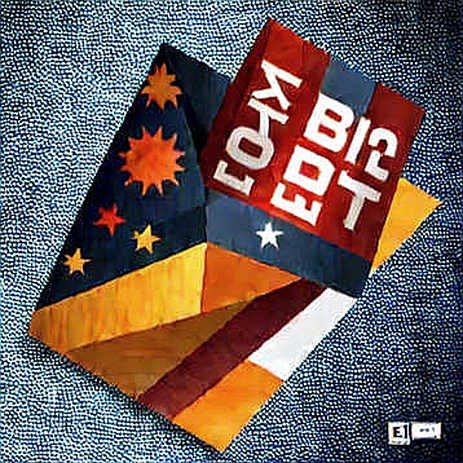
The number is absurd: 3,000x in three days. A meme coin named 'Niu Lai' (Cattle Come) born from a crude hand-drawn abstract artwork by a construction crew, riding a viral wave of internet absurdity. The silence between the digits holds the truth. But what truth? That a token with no team, no code audit, no economic model, and no purpose can still attract millions in speculative capital. This is not a story about blockchain innovation—it is a story about the tidal data of sentiment, and the castles we build on it.
To understand Niu Lai, we must first understand the context of meme coins in the current bull market. At a macro level, global liquidity is abundant, and the search for yield has pushed capital into increasingly speculative assets. Meme coins are the purest expression of this phenomenon—they are not investments but bets on attention. The Niu Lai artwork, a hand-drawn image of a bull with exaggerated features, was shared on Chinese social media platforms like Weibo and TikTok. Within hours, the community had deployed a token on a low-cost chain (likely BSC or Solana, though no chain was confirmed). The price skyrocketed as early buyers FOMOed in, creating a self-reinforcing loop of hype and price action.
At its core, this is a case study in information asymmetry. No technical details were disclosed—no contract address, no liquidity pool verification, no team doxxing. The token's supply and distribution remain unknown. We built castles on the tidal data of sentiment, but the foundation is invisible. From my own experience auditing bank risk models during the 2017 Bitcoin bubble, I learned that when data is absent, the risk is not neutral—it is maximal. The absence of information is itself a signal. Here, the signal is clear: this is a classic pump-and-dump setup, likely orchestrated by a small group holding the majority of the supply.
The contrarian view, however, is worth exploring. Some argue that meme coins like Niu Lai represent a cultural phenomenon—a rebellion against the sanitized, institutionalized crypto of ETFs and CBDCs. They are the 'folk art' of decentralized finance, a raw expression of community sentiment. Liquidity is a ghost that haunts the ledger, but it is also a force that can create value from nothing. In a world where the Fed's monetary policy dictates market direction, a meme coin's 3,000x rally is a defiant middle finger to the system. Yet this narrative ignores the human cost. The same forces that pump can dump, leaving retail traders holding worthless tokens. The archive remembers what the algorithm forgets: the history of countless similar projects that faded into obscurity.
My takeaway is a warning, not a celebration. The Niu Lai phenomenon is a snapshot of a market drunk on liquidity, where the line between innovation and speculation has been erased. When the tide turns—and it will, as central banks tighten or as a black swan emerges—these ephemeral tokens will be the first to evaporate. The structure cannot contain the chaos of human hope. For now, the silence between the digits holds the truth, but the truth is not reassuring. It is a reminder that in crypto, as in life, the easiest profits are often the most dangerous.