
Elon Musk just told the world Bitcoin is his biggest holding after Tesla and SpaceX. And crypto Twitter exploded like it's 2021 all over again. Pump, dump, debug. Repeat.
But here's the thing nobody in the replies wants to hear: this isn't a technical story. It's a narrative story. And conflating the two is how you get rekt.
Let me break down what this actually means, what it doesn't, and why the smartest move right now is checking the damn source before you ape in.
Context: The Man, The Myth, The Market Mover
Elon Musk is not new to this rodeo. He's the guy who pumped Dogecoin on SNL, sent Bitcoin on a rollercoaster with a single tweet about Tesla accepting it, then dumped billions worth of BTC on the market. He's the original chaos agent of crypto.
So when he says Bitcoin is his largest holding after the public companies he runs, the market listens. Not because it's a technical revelation, but because Musk has a documented track record of moving prices. The man's thumbs are more powerful than most central bank communications.
This isn't a protocol upgrade. There's no BIP here. No code change. No consensus shift. But the market doesn't care about technicals when a celebrity speaks. They hear "number go up" and they run with it.
Based on my years auditing ICOs during the 2017 sprint and watching this exact pattern repeat across cycles, I can tell you the disconnect between narrative and fundamentals is where the real danger lives.
Core: What This News Actually Changes
Let's separate signal from noise, because there's a lot of it.
On-chain reality pick-up: nothing changed on the Bitcoin network. Block production continues. Hashrate stays put. Difficulty adjusts. The entire Bitcoin protocol is unaffected by what one rich guy says. It's a decentralized network. That's the point. It doesn't care about Elon's portfolio allocation.
But the market narrative did shift: Musk putting BTC in his personal balance sheet alongside tech giants strengthens the "digital gold" and "enterprise reserve asset" story. This is the institutional adoption narrative on steroids. It tells every family office and corporate treasurer watching that one of the world's most famous tech founders considers Bitcoin a core holding.
The regulatory angle: this is where it gets interesting. The Howey test doesn't flag Bitcoin as a security. No central issuer, no team allocation, no governance tokens. Bitcoin's regulatory risk profile remains low. But Musk's disclosure opens a whole can of worms about transparency. If this is a personal holding, fine. If it's somehow connected to Tesla or SpaceX holdings, we're looking at SEC disclosure questions.
The tokenomics story: Bitcoin's supply cap at 21 million hasn't moved. The halving schedule is intact. There's no team unlock dumping on you. Bitcoin doesn't owe you yield. It doesn't have a staking mechanism. It's a bearer asset with network effects. Musk's comment doesn't change the supply-demand math. Period.
The Technical Reality Check
I've spent years debugging smart contracts and staring at transaction data. Let me tell you what matters here.
Tesla still holds a substantial Bitcoin bag from their 2021 purchase. When they've moved coins, the market has noticed. The last major Tesla wallet activity had everyone speculating about a sell-off. Musk knows this. He knows his on-chain footprint is being watched by every analytics firm.
So his public statement about holding Bitcoin personally serves a dual purpose. It signals confidence to the market, and it potentially distracts from questions about Tesla's remaining position and whether they've been quietly managing their BTC treasury.
The infrastructure play is real but under-discussed. If this "enterprise allocation" narrative continues gaining traction, watch the custody and compliance sector. Companies don't just buy Bitcoin and hold it in a hot wallet. They need qualified custodians, insurance, audit trails, and tax infrastructure. This is the actual technology sector that benefits from Musk's words.
ETF flows matter more than anything Musk says. The spot Bitcoin ETF products are the real institutional gateway. If this narrative boost translates into sustained net inflows across the ETF complex, then we're talking about something that can actually move the needle on price stability and adoption.

Contrarian: The Unasked Questions
Here's what nobody in crypto Twitter is asking: which Musk entity actually holds the Bitcoin?
Is it Elon personally? The Musk family office? Something else entirely? The original statement—verified or not—doesn't specify the holding structure. This matters for regulatory exposure, for counterparty risk, and for understanding whether this is a long-term strategic allocation or another one of his famous whims.
And is this even confirmed? We're running on a Crypto Briefing report without a clear primary source. No SEC filing. No company 8-K. No leaked interview transcript with timestamps. Just a statement attributed to Musk.
Crisis-mode fact consolidation kicks in here: verify before you victimize yourself with optimism. During the FTX collapse, I watched everyone treat unverified claims as gospel. The result was six figures of losses for retail traders who trusted vibes over evidence.
Remember: Musk's previous Bitcoin endorsement was followed by Tesla's $1.5B purchase. His awkward SNL appearance coincided with Dogecoin's peak. His "Bitcoin mining is bad for the environment" phase contributed to major market drawdowns.
What if this statement is context-free? What if it was said during a podcast segment that will never see daylight into the SEC's document rooms? The market is treating this like a financial disclosure when it might just be a casual remark from a man with an enormous platform.
Gas fees higher than the yield. Typical. That's the whole crypto ecosystem in a nutshell. The narrative economy sometimes outpaces the actual economy.
The Verdict On The Signal
The honest answer: there is no new fundamental here. Bitcoin remains what it was before—a decentralized value storage network with massive security guarantees and terrible throughput. The technology hasn't changed. The network hasn't changed. The mining economics haven't changed.
What changed is sentiment. And sentiment is a fickle mistress.
Musk's statement adds fuel to the "Bitcoin as corporate treasury asset" fire. That narrative has been building since MicroStrategy started stacking sats. It got a massive push with the ETF approvals. Now it's getting another boost from a tech billionaire's personal balance sheet.
But narratives without capital flows behind them are just memes wearing suits.
If you're trading this headline, watch the data. Track ETF inflows. Track open interest. Track funding rates. If institutions actually start moving money on the back of this narrative, then and only then does it become a real story.
If you're building in the ecosystem, this is your cue to focus on the infrastructure that catches this institutional wave. Custody solutions, compliance tools, audit frameworks. That's where the real sustainable growth lives.
Takeaway: What To Watch Next
I need to see three things before I call this a durable shift.
First, confirmation from Musk directly. A tweet, a company filing, something with his name and a timestamp. Without it, this is an unverified claim spreading through echo chambers.
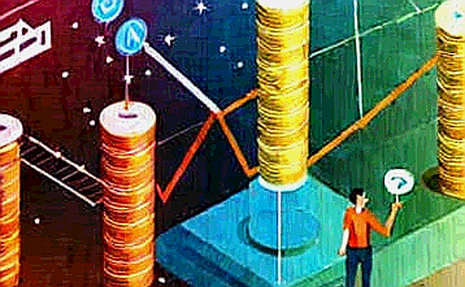
Second, ETF flow data. If the ETF complex shows sustained net inflows over the next two weeks following this news, that's evidence the narrative is moving institutional dollars.
Third, the test of time. If prices hold these levels without Musk needing to post again, that signals real demand.
If none of these happen, enjoy the volatility, but don't mistake a celebrity endorsement for a technical catalyst.
BlackRock's IBIT flows matter more than Elon's mouth. And if you hate that reality, you're going to hate crypto even more.
One last thing. The crypto slice of a portfolio is supposed to be a bet on decentralized future monetary networks. Not a bet on what one eccentric billionaire says on a podcast. Don't let the tail wag the dog.
And remember what I always say: green candles blind people to red flags. The real question isn't what Musk holds. It's what you hold—and why you hold it.